Recap of the previous situation
"The Journey to Guangxi" is a 24-city annual cultural tour series launched by Liugui Fu Jewelry. The brand has selected 24 historical and cultural cities, and at each stop, different experience officers are invited to convey the brand culture during their visits to the cities. Through online dissemination and promotion, it creates a hot topic and attracts brand attention.
In September 2023, Liugufu officially launched the first leg of its Guizhou tour - "Encounter Dunhuang", where the experience assessors strolled through the sandy deserts, explored the Dunhuang grottoes, and experienced the thousand-year charm along the Silk Road.
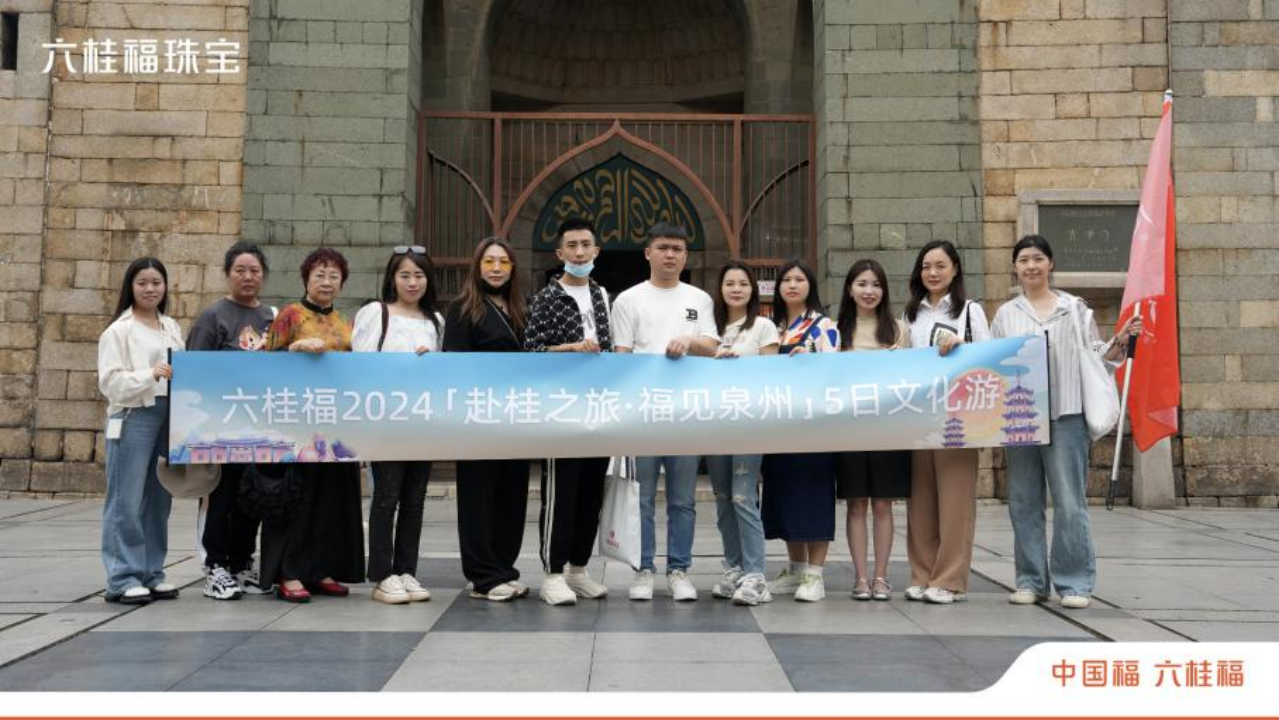
In April 2024, the second stop of the trip to Guangxi was in Quanzhou, Fujian Province. The brand organized 10 experience testers through both online and offline channels, inviting them to embark on a five-day and four-night journey through mountains and seas. The itinerary was recorded in the form of vlogs and documentary videos, and promoted through the official WeChat public account, video account and Weibo platform of Liugui Fu Jewelry, generating widespread online discussion.
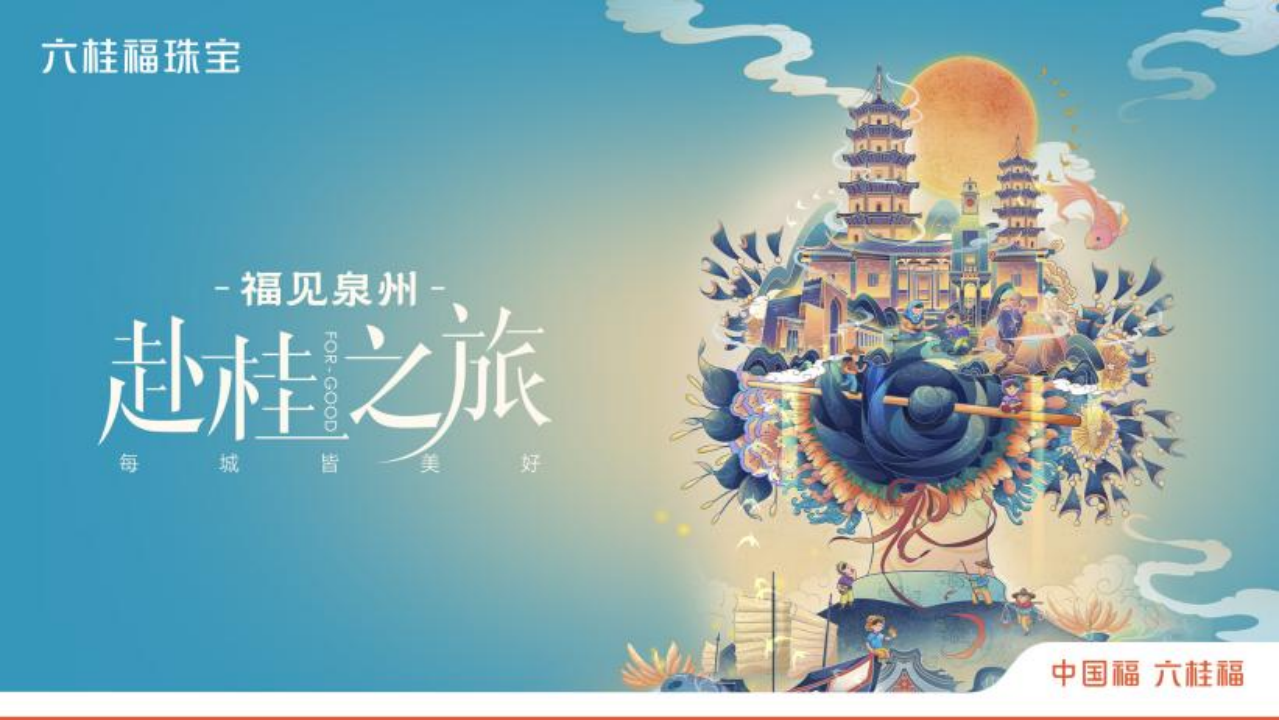
Journey to Guangxi Meeting "Face to Face" in Quanzhou
Wen'an has a historical ancient kingdom. Half of the city is filled with smoke and fire, while the other half is filled with the aura of immortals. Quanzhou, a city where the entire place is rich in intangible cultural heritage, is a place that one should visit at least once in a lifetime.
This is the starting point of the Maritime Silk Road, the cultural capital of East Asia, a museum of world religions, a treasure trove of diverse cultures, the largest port in the East, the world's ocean trade center of China during the Song and Yuan dynasties, and the bright city in the eyes of Western travelers. The experience officers visited the streets and alleys of Zongmiao, climbed high mountains and the vast sea, read through thousands of years of history, and left behind wonderful memories here.

A journey through the ages, exploring both the past and the present
Quanzhou, formerly known as Wenling, Cixing, and Licheng, is one of the first batch of national historical and cultural cities. There is a temple every five steps and a shrine every ten steps in this bustling city, where the air is filled with incense smoke. Quanzhou is called "the人间办事处 of all gods". Different religions such as Islam, Christianity, Hinduism, and Buddhism coexist harmoniously here, quietly telling the story of this city's inclusive attitude towards various religions and cultures.
During the journey, the testers paid sincere visits and made offerings at Tianhou Palace, Guanyu Temple, Qingjing Temple, Fuwen Temple, Kaiyuan Temple and Zhenwu Temple, seeking blessings and making divinations.
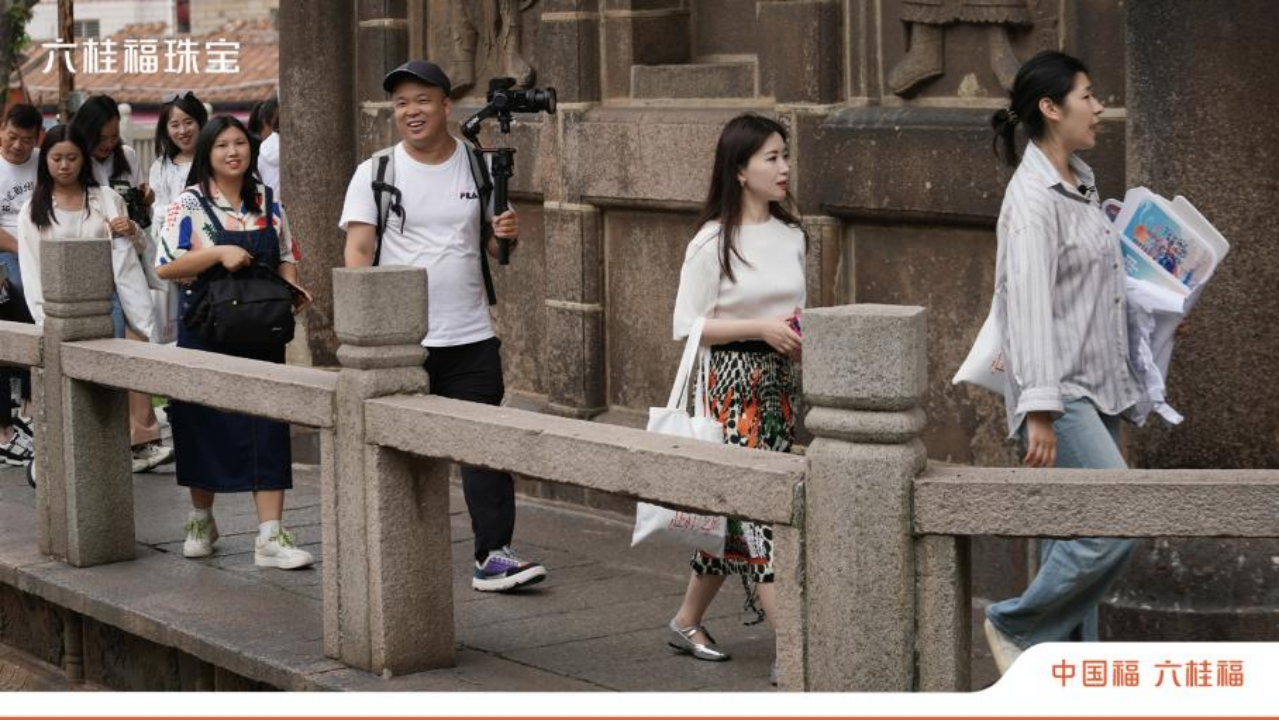
While strolling along Zhongshan Street, the evaluators also visited Guantian Lane, Zhaonong Street and the bell tower. This ancient street, which connects the important entrances of Quanzhou City, has a history dating back to the Tang Dynasty. The arcade-style buildings on both sides, combining European architecture with Southeast Asian regional characteristics, exude a South Asian style and carry a touch of historical charm.
A trip to admire the mountains and the sea
As a city on the southeast coast, everything in Quanzhou seems to be related to the sea. Quanzhou Port was the first major port in the East, where "thousands of nations conduct trade under the sound of surging waves". The people of Quanzhou make a living by the sea. To pray to the sea god for a smooth voyage, people would hold the "Praying for the Wind" ceremony regularly. This has been passed down to this day and has become a very important traditional custom. This is also the origin of the two characters "Praying for the Wind" engraved on the rocks of Jiulishan.
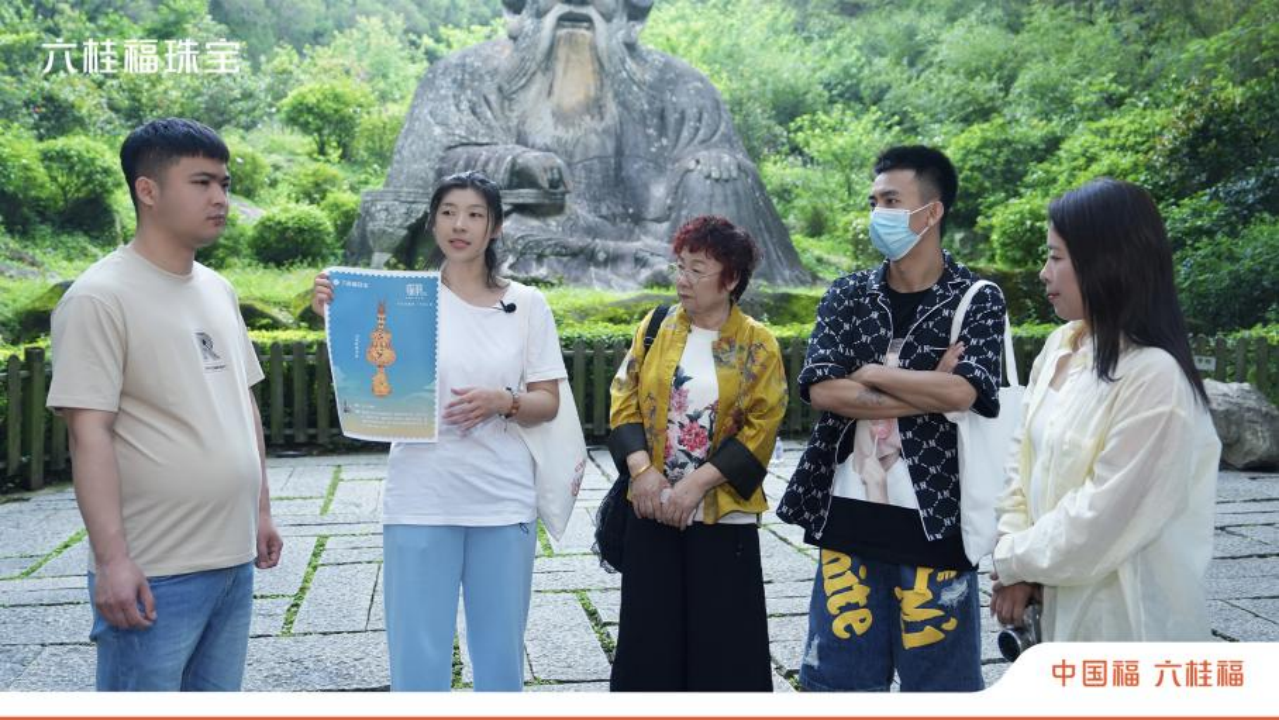
Jiushisan Mountain belongs to the Qingyuan Mountain Scenic Area. In the morning, the testers arrived at Qingyuan Mountain in a cheerful mood to enjoy the spring and take a stroll. At the foot of the mountain, there is an old man statue carved in the Song Dynasty. This is the earliest and largest stone carving of Laozi in China, and it also implies that Laozi is the founder of Taoism. In the afternoon, the testers went to ð«»pu Village, which was an important port on the Quanzhou Maritime Silk Road starting point. The ð«»pu Wharf still exists to this day.
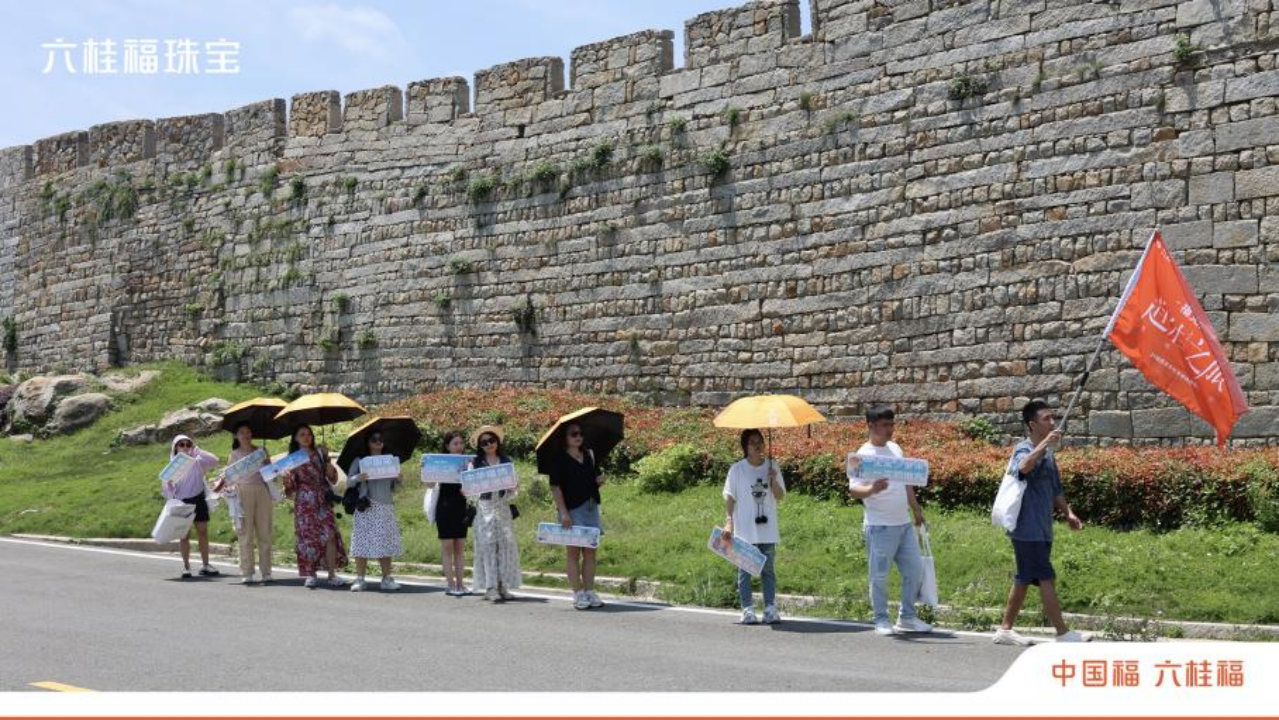
Xisha Bay is known as the "most beautiful coastline". Located by the sea is Chongwu Ancient City, which is entirely constructed with stones and has been in existence for 638 years. The city gate is towering and magnificent, earning the title of "the Southern Great Wall of Fujian". To the east of Xisha Bay lies the only temple in the country built specifically for the fallen soldiers - the PLA Martyrs Temple. There are 27 statues of martyrs, silently recounting the glorious deeds of how they protected the people of Chongwu with their lives.
A cultural experience of Fujian-Min region
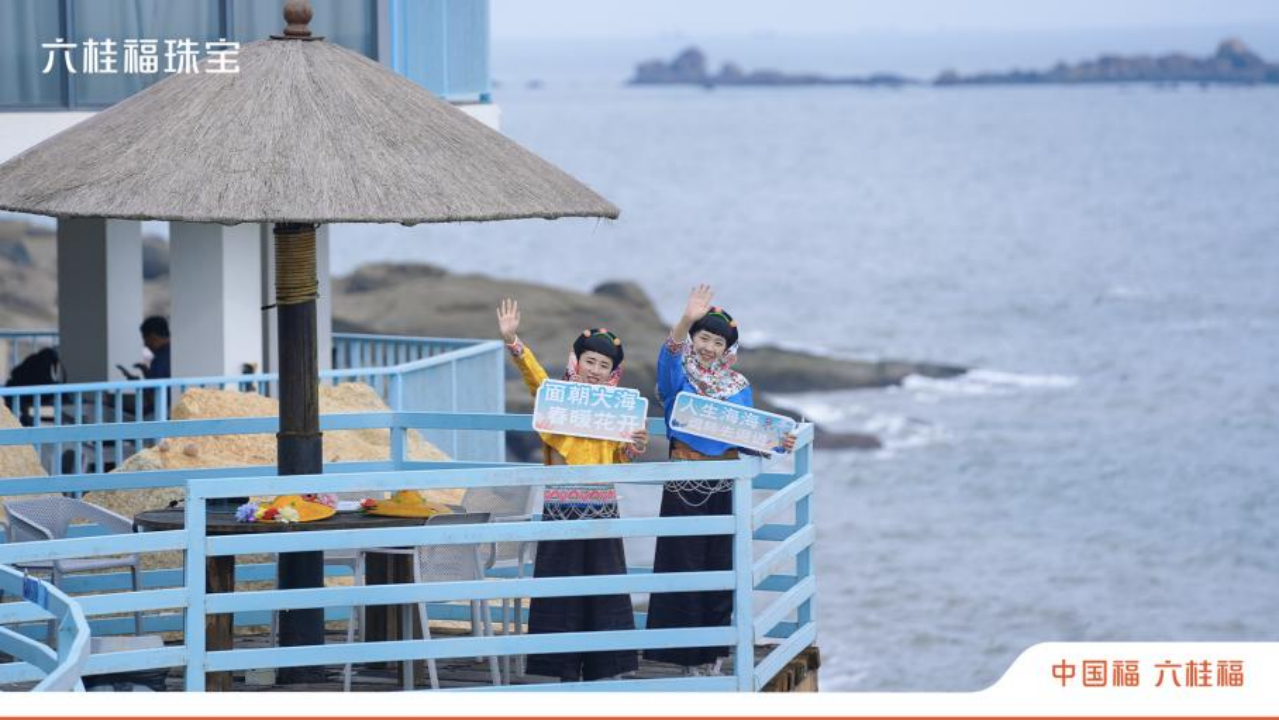
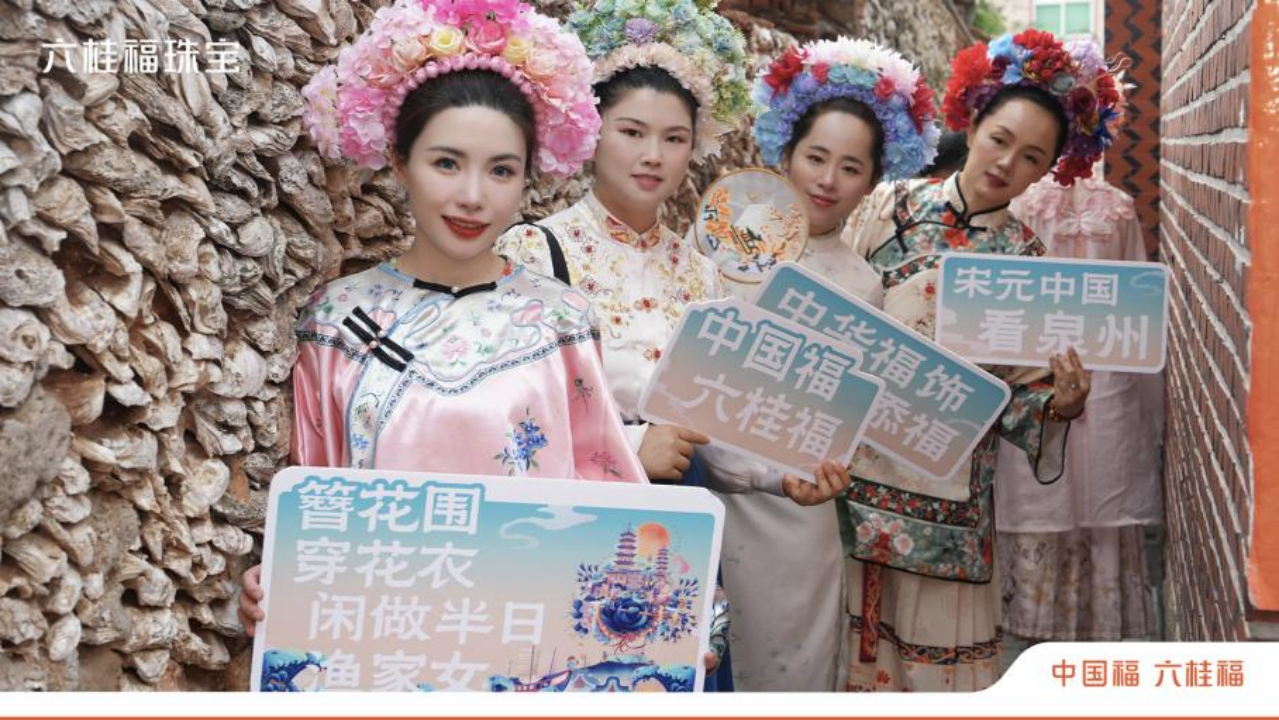
In Xinpu Village and the Huìnǚ Cultural Park, the testers respectively experienced the "flower headdress wrapping" of Xinpu women, Xinpu women, Huì'an women and Meizhou women in Putian. They are collectively known as "the three major fishing women of Fujian", and are a major folk custom in the southern coastal area of Fujian Province.
The Xinpu women are renowned for their colorful headbands. These headbands are usually made of red and other colored flowers, symbolizing beauty and prosperity. The Xinpu women are known for their diligence and tenacity. Their distinctive clothing features include unique headwear and loose, wide trousers, which reflect their attitude towards life in difficult circumstances and the "perseverance leads to success" spirit of Quanzhou.
At the Hui'an Sculpture Museum, there are numerous exquisite sculptures on display. During the visit, the visitors learned about the development history and inheritance value of the intangible cultural heritage "Hui'an Stone Carving", and gained a deeper understanding of the Minnan culture.

A brand culture presentation
"Good fortune" has been the most fundamental pursuit of the Chinese people for thousands of years. The Sixgui Fu jewelry brand has extracted the spiritual essence of Chinese "good fortune" culture, established the brand positioning of "Chinese Good Fortune - Sixgui Fu", and infused it into the products to create Chinese "good fortune accessories", striving to bring Chinese good fortune accessories into every household.

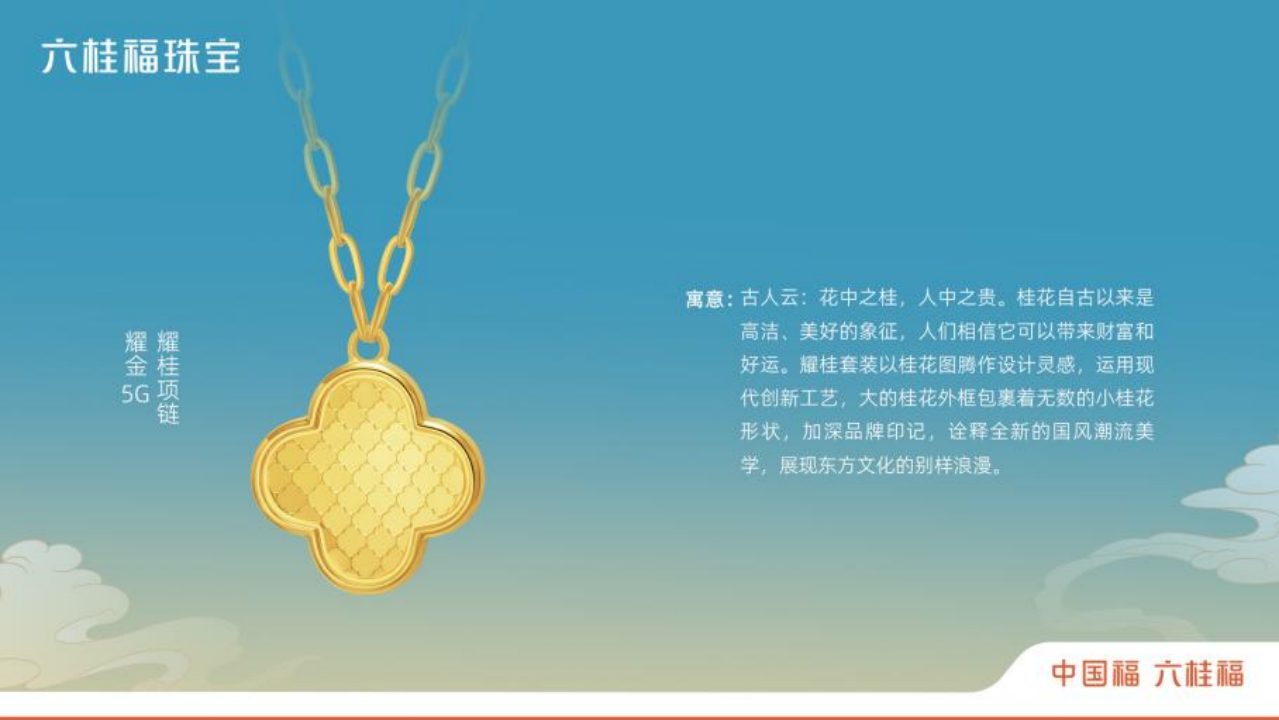
At Guanyue Temple, the brand took the Chinese "F" culture as an opportunity to discuss with the experience testers "What constitutes happiness?" and showcased the "Liu Gui Fu Fu Yin" series of products. In Guantian Lane and Zhaonan Street, the brand explained the story of "Liu Gui Lian Fang" of Liu Gui Fu, promoting the "Liu Gui Culture" and the brand's advocated "Winning the Gold Award" spirit, and displayed a series of products developed by Liu Gui Fu based on the "lotus flower" prototype, explaining what it means to be "the one who bestows the lotus flower".
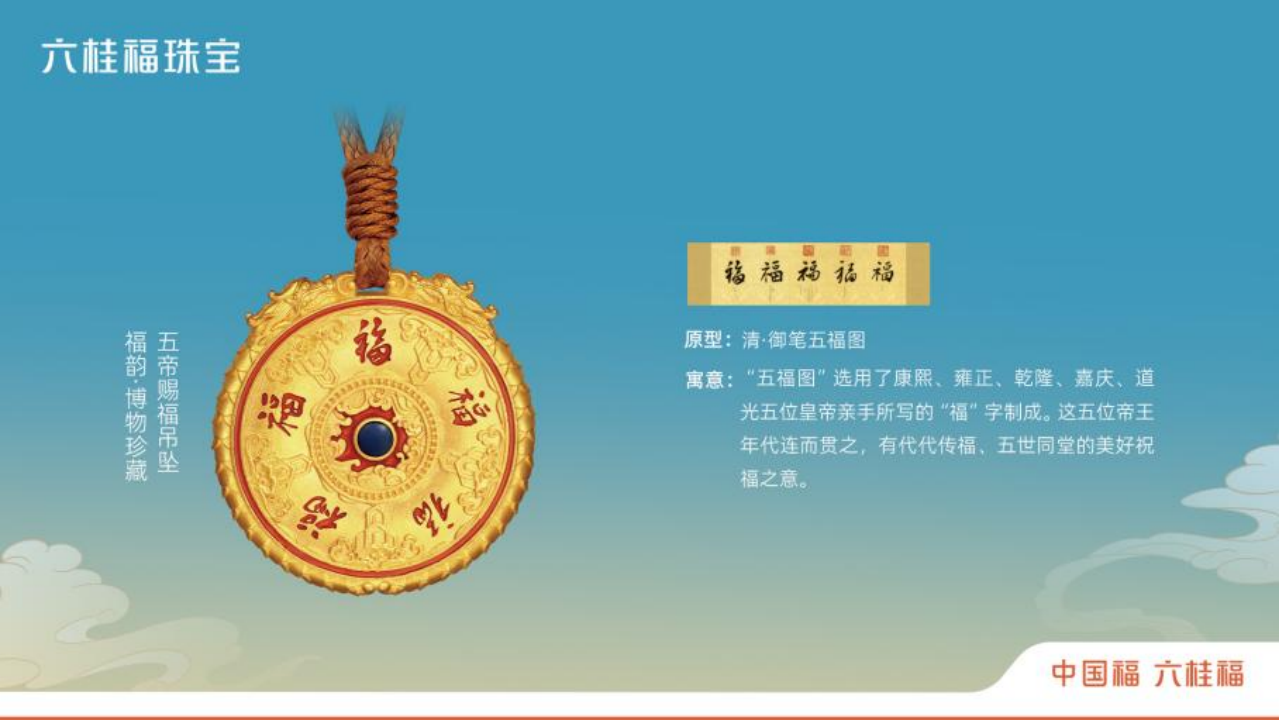
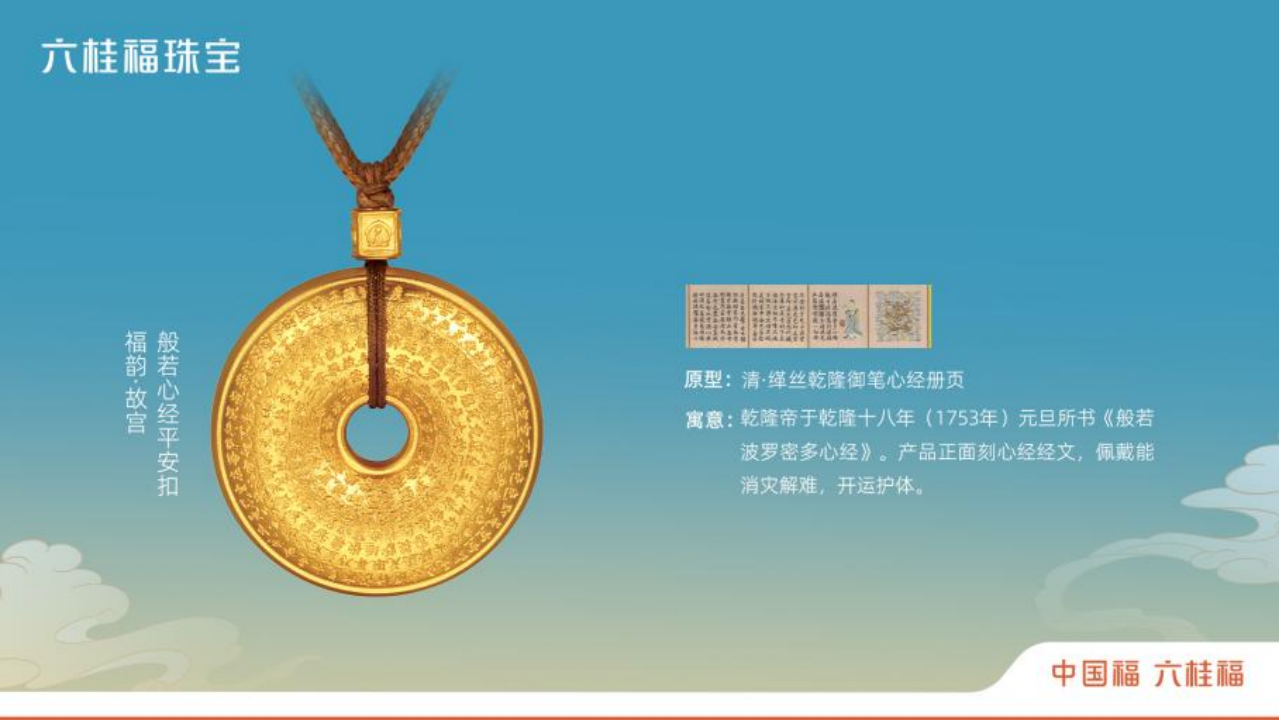
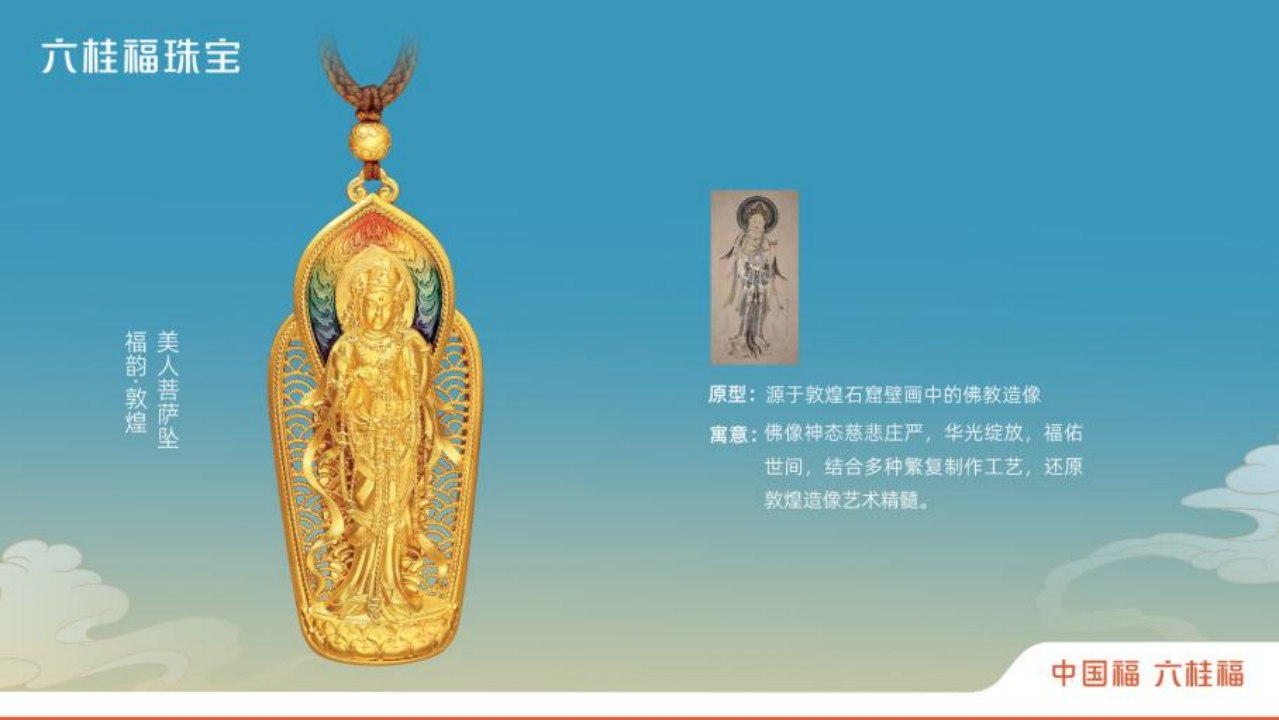
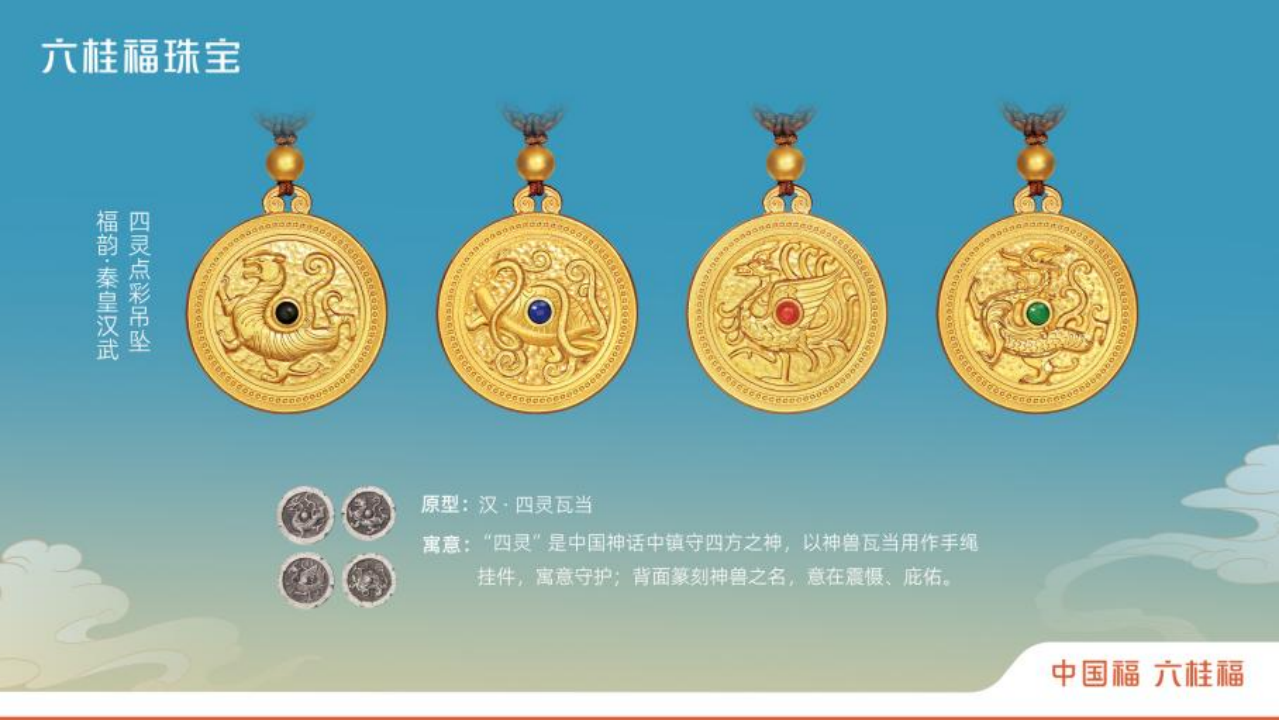
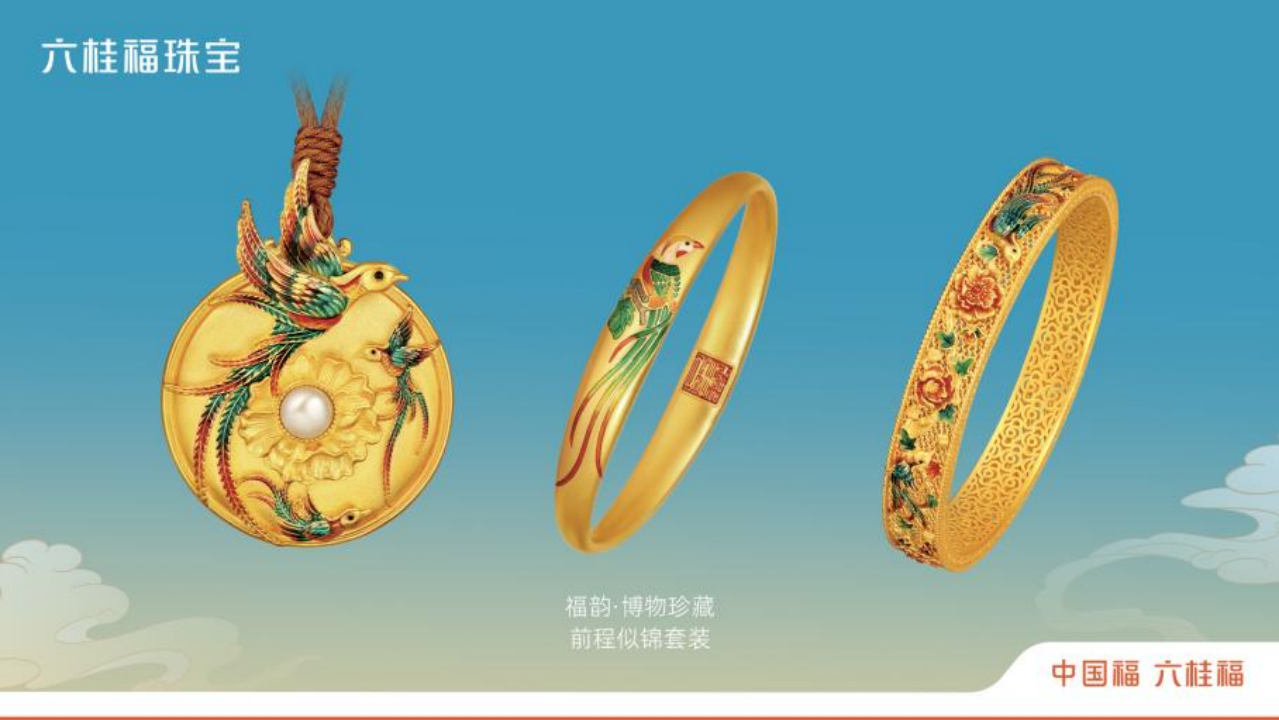
At the Kaiming Temple and the East-West Towers, the brand showcased the "Fuyun" series of products, which were based on Buddhist elements such as Buddha statues. They systematically explained the Chan Buddhism culture to the experience participants and, in combination with the "Fuyun · Emperor Qin and Emperor Wu" series of four-lion pendants, conveyed knowledge of Chinese traditional culture.
In Xinpu village, the brand's direction experience officers explained the origin and meaning of the "flowered border", and displayed the "Six Guifu" collection at the Hui'an Carving Art Museum, where the brand elaborated on the essence of the six-variant ancient techniques used in the "Six Guifu" charm series from the perspective of carving skills, conveying the brand's oriental cultural jewelry style.
The next stop, stay tuned!
Keep loving, set out to explore the vast lands. The second leg of the journey to Guangxi, "meeting" Quanzhou, has come to a successful conclusion. The exploration in 24 cities is still ongoing. Where will the next stop be? Stay tuned!